Where is Tech Taking Us?

THE EMERALD STREET | March 2015

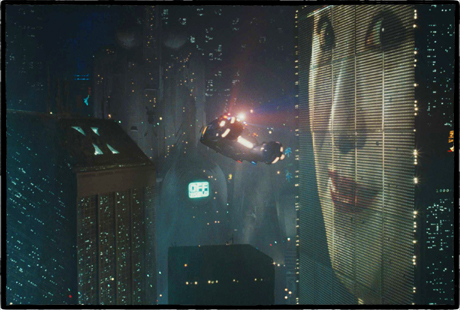
Eighties movies may have foreseen a future full of flying cars and hover boots – but now that we’re here, the closest we’ve got is the driverless cars of Milton Keynes. So what’s next?
F1_01_130315

Wear your tech on the inside
Apple and Android both recently unveiled their respective smartwatches. But the key will be how they work with our bodies, believes Ghislaine Boddington, creative director of body>data>space and a speaker at this weekend’s FutureFest. “We need wearables that don’t inhibit us. Google Glass didn’t take off because it slightly dislocates people from the world.” These wearables are also set to become more beautiful and more personalised. Already, Kovert Designs’ jewellery subtly lets you know when you have a call or text; Wearable Solar charges devices via power stored in cloth.

But apparel is not the limit. “We’re already seeing hearing aids that use bone conductivity,” says Boddington. “And I believe we’ll see more adornments that link to our skeletons.” The same goes for implants. Common in medicine, they are on course to enter the consumer realm. “In the next ten to 15 years we could see pinhead implants in the base of your thumb that open doors. To access bank accounts, there could be a convergence of PIN codes, iris scans, fingerprints and implants.”

“Robots will become as normal as friends.”
It seems that humans are repulsed by things that seem almost human, but aren’t quite. It’s a concept known as the “uncanny valley” (named after a deep dip in the graph representing our comfort levels). Robot makers have grappled with this for years, but now we’re starting to feel more comfortable with almost-human interactions.

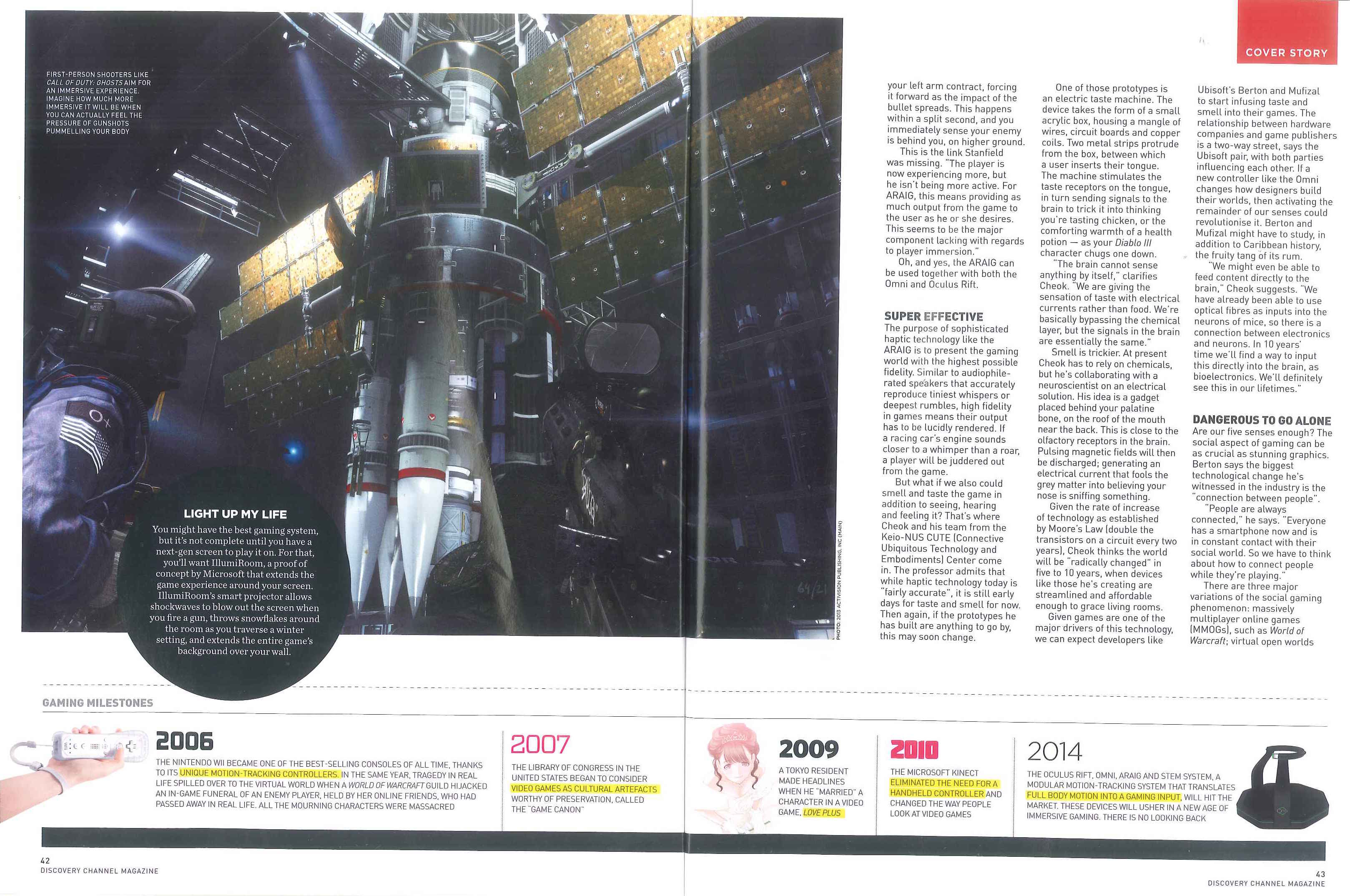
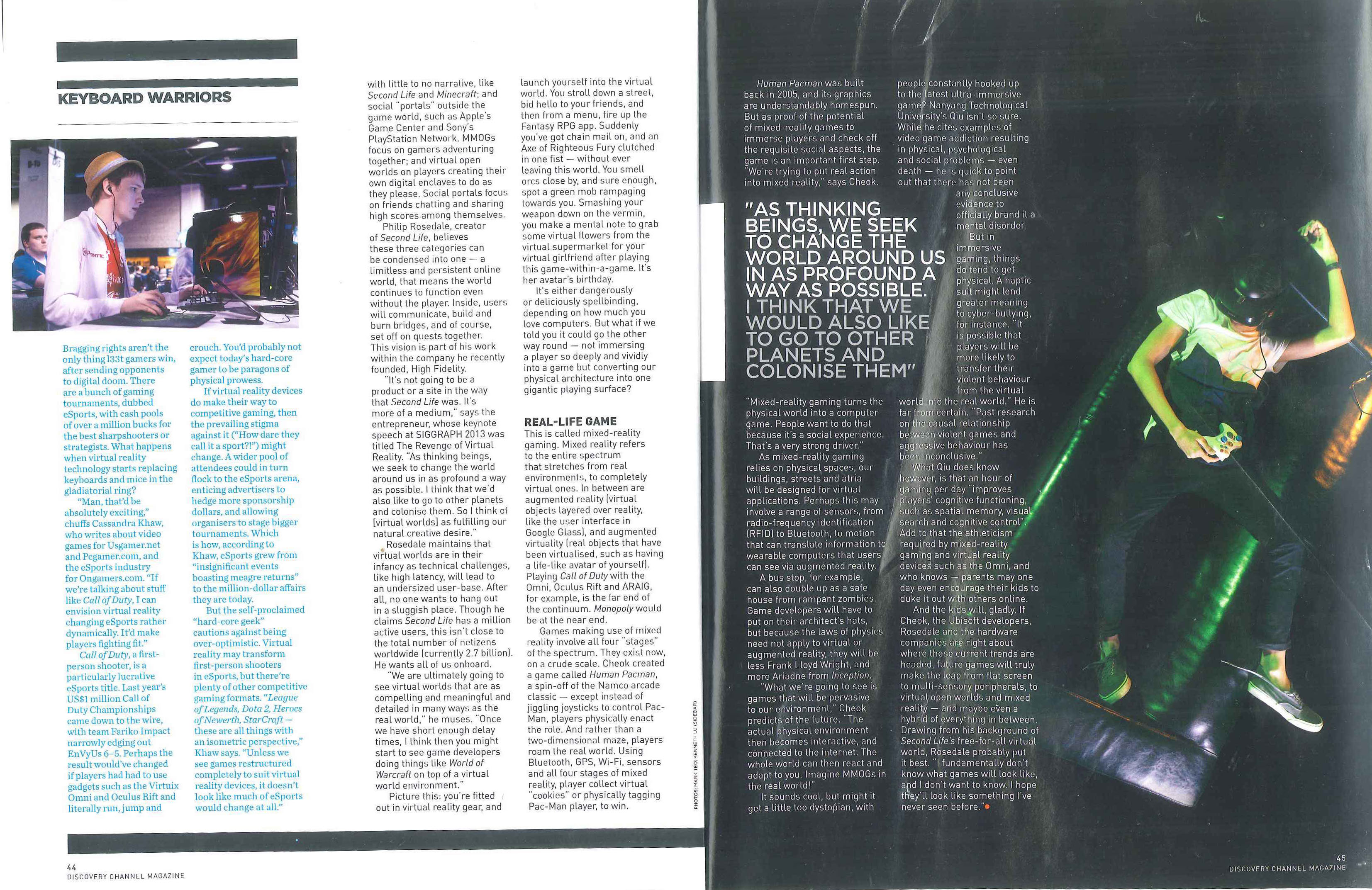
Robot expert Adrian Cheok believes we will overcome our fear. “On a basic level we’re used to AI, for instance, talking to Siri on our iPhone. But robots will have to become more humanoid because our world is built for human forms.” In Japan, robots are in use in care homes and are successfully becoming liked, even loved, by humans. “We are not logical machines because we have a subconscious. Eventually, our natural empathy for living creatures will extend to robots. More and more, we will live with them in our homes – robots will become as normal as friends.”

Taking our jobs…
Will robots take our jobs? In short, yes. Sort of. “Roles that require the least intelligence will be automated, but we’ve seen this before in the industrial revolution, and even after the invention of the internet. It will mean humans find better, more creative things to do.”

Creativity is key even in the short term, agrees Boddington. “Where we currently have STEM subjects (Science, Technology, Engineering, Mathematics), I’d add an A for Arts,” she explains. In the male-dominated tech industry, there are gaps in the diversity of user experience. “There needs to be a much bigger role for creativity. For instance, a fitness band may look gorgeous but if it rubs, that’s a design fault. Jewellery designers would know that stuff.” Boddington is also a big advocate of preparing now for the future. “Coding isn’t going away. Everyone should learn the basics. Maybe you’ll love it – but even if you don’t, it gives you confidence. The more women we have in the industry, the more balanced it will be.”

http://e.emeraldstreet.com/25MN-38Y58-D9GC01W548/cr.aspx

Get the crystal ball rolling at FutureFest this weekend

nowherethis_logo

Posted at 1:30 pm, March 13, 2015 in Arts & Entertainment

FUTURE-GLOBAL-1500px-wide-528x528

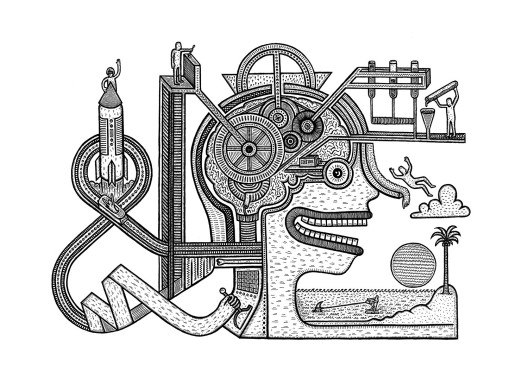
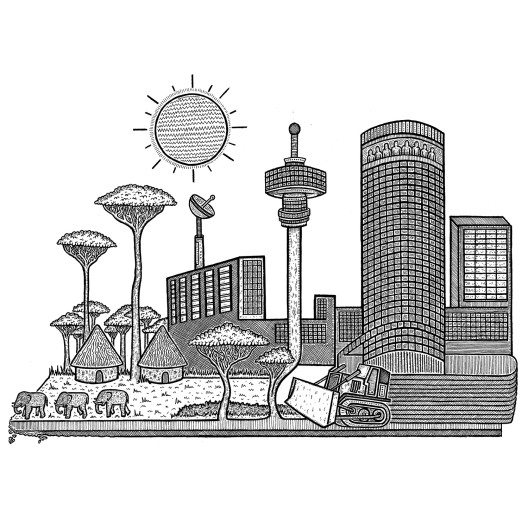
How will we live, work and play in London in years to come? Sara O’Reilly previews FutureFest and what lies ahead. Illustration Alex Gamsu Jenkins.

A mash-up of persuasive speakers, provocative performances and immersive experiences is heading our way. Hosted by Vinopolis at Bankside, FutureFest promises the shape of things to come. An eclectic programme juxtaposes scholarship and spectacle and there’s an impressive a line-up of speakers. They include NSA whistleblower Edward Snowden (by video link), fashion’s eccentric grande dame Vivienne Westwood, funk original George Clinton, author Jon Ronson and Helena Kennedy QC.

So what’s on offer, and what will it mean for London? Well, if Smell-o-vision takes off, we predict a return of the Great Stink, which plagued the capital back in 1858. The original was caused by the combination of high temperatures and untreated human and industrial waste. But the effect of Great Stink 2.0 could be much worse if everyone with a smartphone starts sharing the odours of their life the way they currently bombard each other with pictures. What child would be able to resist the potential of a fartphone?

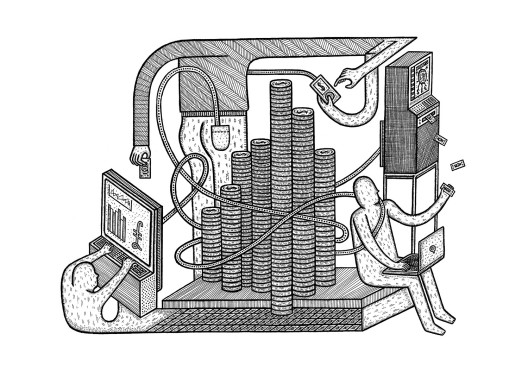
FUTURE-MONEY-1500px-wide-528x372

Then there’s mayhem that could follow in the wake of the introduction of mixed-reality thrill rides controlled by brain waves. If virtual roller coasters do replace the real thing, then what other activities might also be conducted entirely in our heads? Consider the daily commute. Not exactly a thrill ride. But what if all 8.7 million of us decided to do it while ensconced within a virtual reality headset?

The daily chaos would be more apocalyptic than your worst ever rush hour. Though at least you’d never have to talk to another stranger. On the bright side, when we finally crowdsource political parties, the diverse makeup of the capital will be accurately represented and we’ll have politicians in hoodies and burqas instead of a bunch of identikit blokes in the same suit.

As for the impending chocolate famine (which you’ll hear a lot about about at FutureFest), it sounds bad, but at least we’ll all get effortlessly slender and spend less time at the dentist.

One thing that we are sure about is that none of this is going to happen overnight. So nip along to FutureFest, check out the highlights, and get a sneak preview of what your grandkids will be reading about in Time Out.

FUTURE-THRILLS-1500px-wide-528x372

Mixed-reality thrill ride Neurosis
Developed by Professor Brendan Walker with Middlesex University and others, Neurosis, which gets its world premiere at Futurefest, is a motion simulator with a virtual-reality headset that immerses the user in a surreal environment controlled by their own brain activity.
Sat Mar 14 and Sun Mar 15, all day.
Time Out predicts The death of conversation, once everyone retreats into their own heads.

Smell-o-vision
Adrian Cheok, professor of Pervasive Computing at City University London, will be talking about developments in the relationship between humans and technology. He’ll explain some of the new developments that will allow people to communicate using all their senses, including touch, taste and smell. He’ll also be presenting a number of working prototypes, including one that brings smell-o-vision to life.
Sat Mar 14 and Sun Mar 15, 11.45am-12.35pm.
Time Out predicts Phonecalls accompanied by an overpowering waft of Chanel No 5 and the eyewatering odour of onion.

READ MORE: http://now-here-this.timeout.com/2015/03/13/get-the-crystal-ball-rolling-at-futurefest-this-weekend/

EL PAÍS Interview – La ciencia y la gastronomía comen en la misma mesa

El_Pais_logo

San Sebastián 10 MAR 2015 – 19:06 CET

Las jornadas Diálogos de Cocina ahondan en San Sebastián sobre el potencial de la tecnología en los fogones

elpais_photo
El científico Adrian Cheok, en un debate de Diálogos de Cocina, junto al chef Paco Morales.

“Precisión, textura”, “La tecnología en la mesa te puede desconectar de la experiencia en sí”, “La tecnología es una herramienta más”, “El alma no anida en la tecnología”, “No nos podemos olvidar de lo importante, es decir, de lo que comemos”, “Es necesaria, no hay evolución sin tecnología”, “La tecnología siempre es necesaria, pero también me gusta escuchar la música en vinilo”. Las reflexiones, recopiladas por el cocinero Mario Sandoval, corresponden a otros tantos chefs sobre la relación de la tecnología y la gastronomía o de lo que las primeras pueden aportar a la segunda.

La quinta edición de las jornadas Diálogos de Cocina, que reúne entre ayer y hoy en San Sebastián a cocineros, diseñadores, ingenieros y periodistas, entre otros, bucea, en una parte de su programa, sobre el potencial de la tecnología y la ciencia en la gastronomía. También, sobre las dudas y los recelos de mezclar ambos campos.

Elpais_photo2
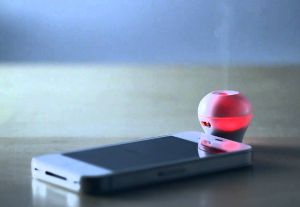
Teléfono inteligente que permite oler aromas de comida.

Precisamente, Sandoval, ha detallado, en una mesa redonda junto al investigador Adrian Cheok, el chef Paco Morales, y Javier Portolés, de la empresa Inhedit, como ha desarrollado una patente junto al CSIC para la hidrólisis del huevo, que permite reproducir diferentes texturas. La patente fue vendida a una empresa estadounidense y llegará a Europa el próximo año.

Sandoval, quien ha impulsado varios trabajos con el CSIC, ha explicado que lo que le animó a ponerse en contacto con investigadores fue la labor previa que había desarrollado en este terreno Andoni Luis Aduriz, chef de Mugaritz, impulsor de Diálogos de Cocina, junto a Azti Tecnalia, una empresa vasca de investigación. En definitiva, de acercarse a un mundo, el científico, que aunque a priori parezca completamente alejado de la gastronomía puede aportar mucho a esta y viceversa. “Realmente la patente ya la tenía un investigador en su cajón”, ha apuntado Sandoval, pero la clave resultó aplicar la técnica al huevo.

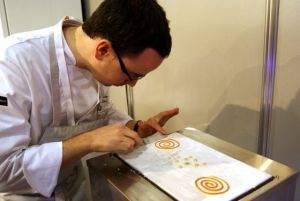
“Nos queda mucho por avanzar, un camino enrome por descubrir”, ha añadido Sandoval, tras la intervención de Paco Morales, que ha comenzado a introducir las impresoras 3D en su cocina. El cocinero de Noor ha detallado que la tecnología forma parte de su quehacer diario desde hace cinco años. “Nos da mucho miedo aplicar la tecnología”, ha precisado, pero ello no impide que experimente en su cocina con la impresión de alimentos, una técnica, que de momento, está desarrollando entre bambalinas, pero sobre la que no ha dudado en asegurar que algún día, quizás, “se aplicará como la Thermomix. Hace 30 años la gente se llevaba las manos a la cabeza con un microondas, y ahora es normal”.

Elpais_photo3
El cocinero Paco Morales, con alimentos de una impresora 3D. / A.FERNÁNDEZ GUTIÉRREZ

“Un chef no solo compra alimentos, crea experiencias, y lo digital se une a lo analógico, es un maridaje habitual el del científico y el chef, el de empujar las fronteras”, ha defendido el ingeniero australiano Adrian Cheok, responsable, entre otras cosas, de un proyecto para la transmisión de olores y sabores electrónicamente.

“La incertidumbre de entrar en terrenos que se desconocen. Muchas veces no sé a dónde voy, pero lo que debemos saber es donde no queremos estar”, ha resaltado Aduriz, que trabaja junto a Cheok. “El proceso de trabajo con alguien creativo tienta desde el alma porque independientemente del resultado, en el proceso va a haber un aprendizaje”.


http://elpais.com/elpais/2015/03/10/estilo/1426010814_194594.html